
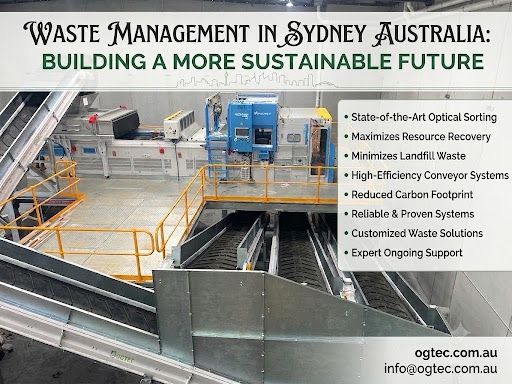
Managing waste effectively is an essential part of maintaining clean, healthy, and sustainable communities. As cities grow, households, businesses, construction projects, and industrial facilities generate increasing amounts of waste that require proper collection, sorting, processing, recovery, and disposal. In a major urban area such as Sydney, effective waste practices are particularly important because of the volume and diversity of materials entering the waste stream. Waste management in Sydney, Australia, involves more than simply removing rubbish; it focuses on reducing waste generation, recovering useful materials, and limiting the amount sent to landfill.
Why Effective Waste Management Matters
Waste can come from many different sources, including homes, offices, retail businesses, manufacturing facilities, construction sites, hospitality venues, and public spaces. Each source can produce different materials, meaning that a single disposal method is not suitable for every type of waste.
Organic waste, plastics, metals, paper, cardboard, glass, textiles, and construction materials can often be separated and directed toward appropriate recovery processes. When recyclable materials are mixed with general waste, valuable resources may become contaminated and more difficult to recover.
Effective waste practices can therefore help conserve resources, reduce landfill demand, and support a more circular approach to material use. They can also help organisations better understand how much waste they produce and identify opportunities to reduce unnecessary disposal.
How Sydney Can Improve Waste Management
A successful waste strategy begins with waste reduction. Businesses and households can consider whether materials need to be purchased, how products are packaged, and whether items can be reused or repaired before being discarded.
The next step is segregation. Keeping different waste streams separate at the source can make recycling and recovery considerably more efficient. Clearly labelled bins and straightforward procedures can encourage people to place materials in the correct stream.
Collection and transportation are also important. Waste needs to be moved safely and efficiently to facilities where it can be sorted, processed, recycled, recovered, or disposed of appropriately. Efficient systems can help prevent unnecessary handling and reduce the possibility of recyclable materials becoming contaminated.
The Role of Sydney Waste Management
A coordinated approach to Sydney waste management can help address the challenges created by increasing urban activity. Residential communities, commercial operators, and industrial facilities all have different waste profiles, so their management strategies need to reflect the materials they generate.
For example, an office may produce large quantities of paper, cardboard, packaging, and food waste, while a manufacturing facility may generate metal scraps, plastics, damaged products, or production residues. Construction projects can create timber, concrete, bricks, metals, and other materials that require specialised handling.
Understanding these differences makes it easier to establish appropriate collection and recovery systems. Regular monitoring can also reveal which materials are being discarded most frequently and where changes could reduce waste generation.
Managing Industrial Waste More Effectively
Industrial facilities often deal with higher volumes and more complex waste streams than typical households or small businesses. Industrial waste management therefore requires careful planning to ensure materials are handled according to their characteristics and potential for recovery.
Facilities can begin by conducting waste audits to identify the types and quantities of materials generated during different operations. Once these waste streams are understood, businesses can introduce segregation procedures and identify opportunities for reuse or recycling.
Processing technology can also improve efficiency where large quantities of material need to be handled. Depending on the waste stream, appropriate systems may support activities such as sorting, compacting, shredding, separating, or preparing materials for recycling.
Moving Toward a Circular Approach
Modern waste management increasingly focuses on viewing discarded materials as potential resources rather than simply unwanted products. Materials that would otherwise enter landfill may have value when they are properly separated and processed.
Businesses can contribute by setting measurable waste-reduction goals, educating employees, improving segregation practices, and regularly reviewing their waste streams. Households can also support recovery by separating recyclable materials, reducing unnecessary consumption, and choosing reusable products where practical.
Conclusion
Effective waste planning requires cooperation between households, businesses, industries, waste operators, and the wider community. By prioritising reduction, segregation, recovery, and responsible disposal, waste management can become more efficient and environmentally responsible. Investing in appropriate waste management equipment can further support organisations in handling different waste streams efficiently and improving long-term resource recovery.