
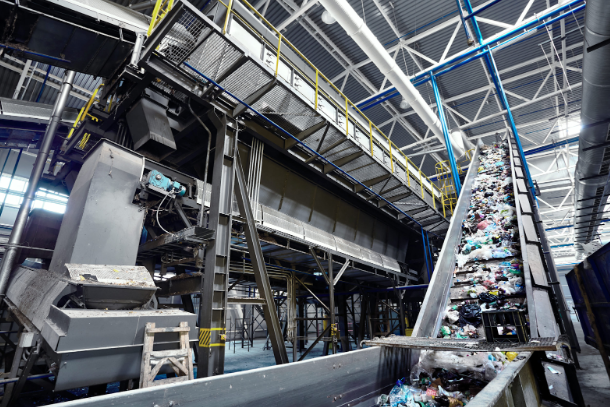
Efficient waste management relies on advanced technologies, and recycling sorting equipment plays a pivotal role in separating materials for reuse. Among the most innovative solutions are optical sorters, which use sensors, cameras, and AI-driven algorithms to identify and sort recyclables quickly and accurately. Understanding how these systems function helps facilities optimize throughput, reduce contamination, and improve overall efficiency.
How Optical Sorters Work
Optical sorters in recycling sorting equipment employ a combination of near-infrared, visible light, and sometimes X-ray sensors to detect different types of materials. Each item moving along the conveyor is scanned, analyzed, and categorized based on its chemical composition, color, or shape. Once identified, air jets or mechanical actuators redirect materials into the appropriate collection bins. This process reduces the reliance on manual sorting, improving both speed and accuracy while ensuring consistent quality in recycled streams.
Integration With Moving Floors
Many modern recycling sorting equipment shift materials smoothly across the scanning area, ensuring consistent exposure to sensors and reducing the risk of overlap or misidentification. By keeping recyclables evenly distributed, moving floors optimize the optical sorting process, allowing sensors to identify smaller or irregularly shaped items that might otherwise be missed. This integration significantly boosts overall throughput and reduces material loss.
Benefits of Optical Sorting Technology
Optical sorters provide multiple advantages for recycling facilities. By automating the identification process, they minimize human error, increase processing speed, and handle large volumes with consistent accuracy. Facilities can separate plastics, metals, paper, and glass more efficiently, leading to higher-quality recyclables that are easier to market and repurpose.
Improving Sustainability
The efficiency of optical sorters in recycling sorting equipment contributes directly to sustainability goals. Accurate sorting ensures that fewer materials end up in landfills, while contamination reduction improves the quality of recycled products. By using advanced sensors, facilities can process diverse waste streams more effectively, supporting circular economy initiatives. The combination of speed, precision, and reliability makes optical sorters a vital component of modern waste management systems.
Future Developments
Emerging technologies continue to enhance optical sorting capabilities. Machine learning algorithms allow equipment to “learn” from previous sorting decisions, improving accuracy over time. Enhanced sensor arrays can detect smaller contaminants or differentiate between complex material blends. These advancements will allow recycling facilities to process increasingly complex waste streams while maintaining high standards of quality and efficiency.
Conclusion
Optical sorters represent a breakthrough in recycling sorting equipment, combining precision, speed, and adaptability to optimize waste processing. Their advanced sensor technology enables accurate material identification and improves sorting efficiency, resulting in higher-quality recyclables and reduced operational costs. As technology evolves, these systems will continue to play a critical role in improving sustainability, supporting circular-economy initiatives, and transforming how facilities handle waste. Investing in advanced optical sorting technology is essential for facilities aiming to achieve efficiency, accuracy, and environmental responsibility in modern recycling operations.