
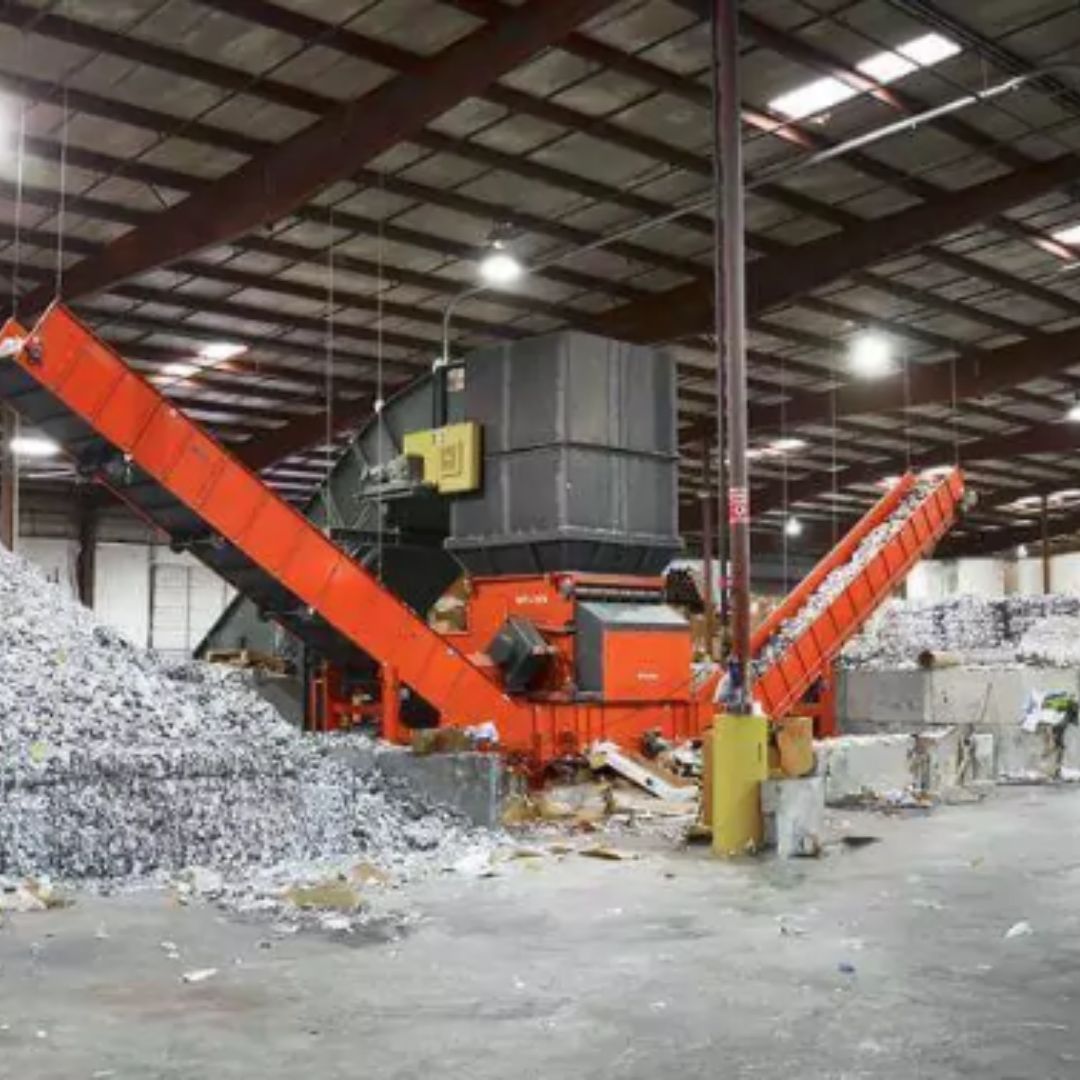
In the evolving landscape of waste management and recycling, maximising material recovery has become more critical than ever. With increasing environmental regulations, rising costs of landfill disposal, and growing awareness about sustainable practices, businesses and municipalities are seeking efficient ways to process and repurpose waste. At the heart of this effort lies the industrial shredder, a powerful and versatile machine designed to break down large volumes of materials into smaller, manageable pieces.
Unlike traditional waste disposal methods, industrial shredders enable facilities to reclaim valuable resources from discarded items, turning what was once considered waste into reusable materials. From plastics and metals to paper and textiles, the adaptability of an industrial shredder ensures that businesses across various sectors can achieve higher efficiency in recycling processes while minimising environmental impact. By integrating this technology into modern operations, companies can not only enhance their material recovery rates but also contribute meaningfully to a circular economy, where resources are reused and waste is significantly reduced.
Understanding the Role of Industrial Shredders
An industrial shredder is engineered to process a diverse range of materials, including plastics, metals, paper, and textiles. These machines are designed for heavy-duty operations, ensuring durability and reliability in demanding environments. The primary function of an industrial shredder is to reduce large volumes of waste into smaller, uniform pieces, making subsequent recycling processes more efficient.
The versatility of industrial shredders is evident in their application across various industries. Whether it's shredding electronic waste, processing municipal solid waste, or preparing materials for energy recovery, these machines play a crucial role in the recycling chain. By breaking down materials into smaller sizes, they enhance the efficiency of sorting and separation processes, leading to higher quality and quantity of recovered materials.
Enhancing Material Recovery
The process of material recovery involves extracting valuable resources from waste for reuse in manufacturing and production. Industrial shredders contribute to this process in several ways:
- Size Reduction: Shredding materials into smaller pieces increases the surface area, facilitating easier separation of recyclable components.
- Homogenization: Uniformly sized materials are easier to sort, leading to higher purity levels in recovered materials.
- Contaminant Removal: Shredders can help in removing contaminants from recyclable materials, improving the quality of the end product.
By integrating industrial shredders into recycling operations, facilities can significantly improve the efficiency and effectiveness of their material recovery processes.
Complementary Equipment: Waste Compactors
While industrial shredders are instrumental in reducing material size, they play a vital role in managing the volume of waste. These compactors compress waste materials, reducing their volume and making storage and transportation more efficient. This combination of shredding and compacting ensures that waste is processed in a manner that maximises space utilisation and minimises environmental impact.
In recycling facilities, the synergy between industrial shredders and compactors enhances overall operational efficiency. After materials are shredded, compactors can compress the shredded waste, preparing it for further processing or transportation. This integrated approach streamlines waste management processes, leading to cost savings and improved sustainability outcomes.
Applications Across Industries
The benefits of industrial shredders from OGTEC extend across various sectors:
- Municipal Waste Management: Shredders process household waste, making it easier to separate recyclables and reduce landfill use.
- Manufacturing: In industrial settings, shredders handle production scraps, turning them into reusable materials.
- E-Waste Recycling: Shredders break down electronic waste, allowing for the recovery of valuable metals and components.
- Construction and Demolition: Shredders process debris, enabling the recycling of materials like wood, metals, and concrete.
By adopting industrial shredders, industries can not only comply with environmental regulations but also contribute to the circular economy by ensuring that valuable materials are recovered and reused.
Conclusion
In conclusion, industrial shredders at OGTEC are indispensable in the quest for maximum material recovery. Their ability to efficiently reduce waste volume and enhance the quality of recyclable materials makes them a cornerstone of modern recycling operations. When paired with equipment like waste compactors, they offer a comprehensive solution to waste management challenges. Investing in advanced industrial shredder technology is a step towards a more sustainable and resource-efficient future.